The content outlines various English language varieties featured in A-Level English Language Paper 2 exams. It emphasizes strategic revision by encouraging practice with a range of global Englishes. The table aids students in identifying recurring text types and promotes comparative thinking among different varieties, enhancing their analytical skills for exam success.
Category: Year 12
Approaching A-level English Language Paper 2 Section B:
Section B moves beyond analysing individual features and instead asks you to think conceptually about how English operates as a global language. Using the source texts as evidence, you will explore how a particular variety has developed through historical, social and cultural influences. IAL English Language Paper 2 – Section B Student Guide: How to [...]
Top 5 Revision Strategies for Students: How to Study Smarter and Boost Exam Success

This content presents five innovative revision strategies to enhance study efficiency. It covers the Leitner question cards for spaced repetition, the importance of planning essays instead of writing full ones, interleaving topics, the Feynman Technique for simplification and understanding, and dual coding through active drawing for better memory recall.
Reading Recommendations: Study Guides for Frankenstein and The Handmaid’s Tale
These study guides for Mary Shelley's Frankenstein and Margaret Atwood's The Handmaid's Tale are designed for Pearson Edexcel A Level English Literature students. They enhance understanding of themes, improve analytical skills, and refine exam techniques. The resources support essay writing, critical interpretations, and comparative analyses, ensuring students excel in their studies.
Purple Hibiscus Chapter Questions

The content reviews the novel's chapters, focusing on Kambili's tumultuous family life under her father's strict authority. It explores themes of fear, cultural identity, emotional repression, and the impact of domestic violence. The narrative contrasts oppressive home life with the freedom found at Aunty Ifeoma's, culminating in Kambili's gradual assertion of independence and hope.
Purple Hibiscus: Essay Questions
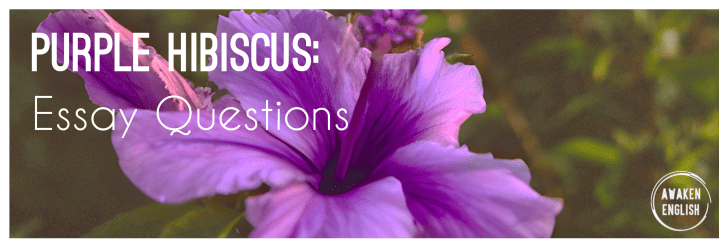
Chimamanda Ngozi Adichie’s Purple Hibiscus addresses themes of family, freedom, oppression, and cultural identity. Engaging essay questions encourage critical analysis of the novel’s complexities, including topics like silence, religious influence, generational conflict, and power dynamics. These prompts enhance understanding for students and literature enthusiasts alike. Start exploring today!
A-level English Language: Language Change
Various models of language change are presented, including Aitchison’s stages of change, Chen's S-curve, Bailey's Wave Model, and Substratum Theory. Additional theories highlight lexical gaps and the randomness of change. Deutscher identifies economy, expressiveness, and analogy as driving factors, while Aitchison parodies prescriptivism. Language evolves to meet user needs.
Essay Writing Guidance

This guide offers essay writing strategies for GCSE and A-level students, emphasizing effective openings through tricolon structures and defining key terms to evaluate complex questions. It highlights the importance of organizing ideas, using appropriate synonyms, adhering to formatting guidelines, and maintaining focus on the question to enhance clarity and effectiveness in essays.
Wordsworth and Keats: Exemplar Analysis

William Wordsworth and John Keats explore change through Nature's symbolism in their poetry, focusing on themes of aging and loss, while accepting these transitions. Both authors celebrate the natural cycle of life, using the seasons to illustrate change, highlighting a comforting connection to Nature and a shared spiritual experience among humanity.
A Streetcar Named Desire: Music

Jancke Dunn's analysis highlights the significant role of music in Tennessee Williams' A Streetcar Named Desire, revealing its function beyond mere realism. The music, including the "Blue Piano" and polka motifs, intensifies character emotions, particularly contrasting Blanche's vulnerability with Stanley's predatory nature, and symbolizes their tragic decline.
 Awaken English